
International Clinical Trials Day 2026
To celebrate International Clinical Trials Day, we are highlighting some of the current trials underway at the Children's Diabetes Centre at the Kids Research Institute Australia and Perth Children's Hospital and thanking all the diabetes community who have said yes to diabetes research.
Today we celebrate International Clinical Trials Day! Here at the Rio Tinto Children's Diabetes Centre at The Kids Research Institute and Perth Children's Hospital, we are proud to be part of a number of Australian and international clinical trials in Diabetes technology, treatment and care.
Running clinical trials in our integrated research and clinic diabetes centre, means we get to offer West Australian families the opportunity to benefit from the latest approaches to diabetes diagnosis, management and potential delay of onset - offering hope to families.
To celebrate the incredible work our team are doing in the clinical trials space, we are highlighting some of our current clinical trials:
BARRICADE-DELAY AND BARICADE-PRESERVE:
Two exciting new studies aiming to delay the progression of type 1 diabetes in people at high risk (stage 2) and preserving the beta cell function on people newly diagnosed with T1D (stage 3) are underway in Australia.
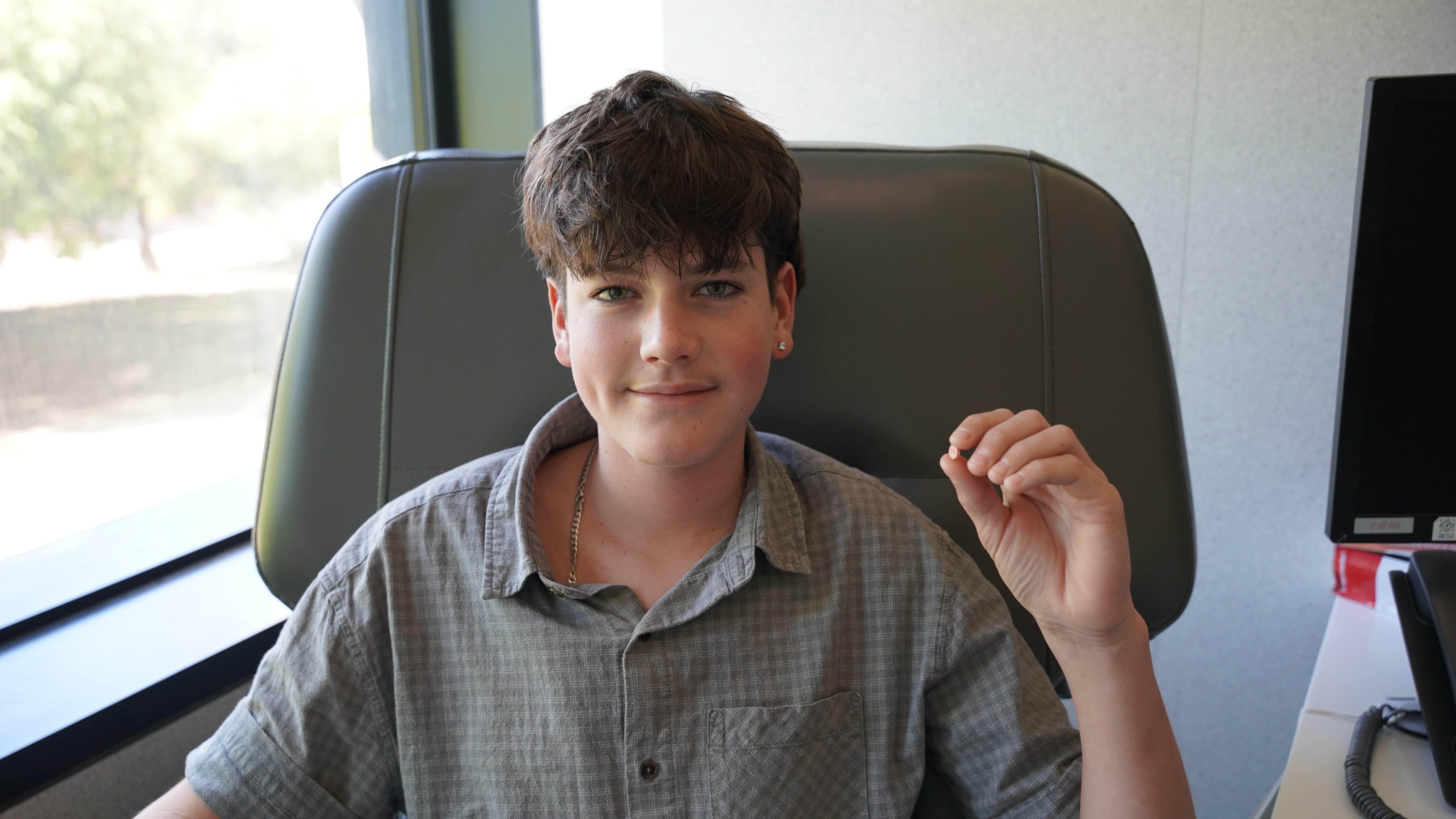
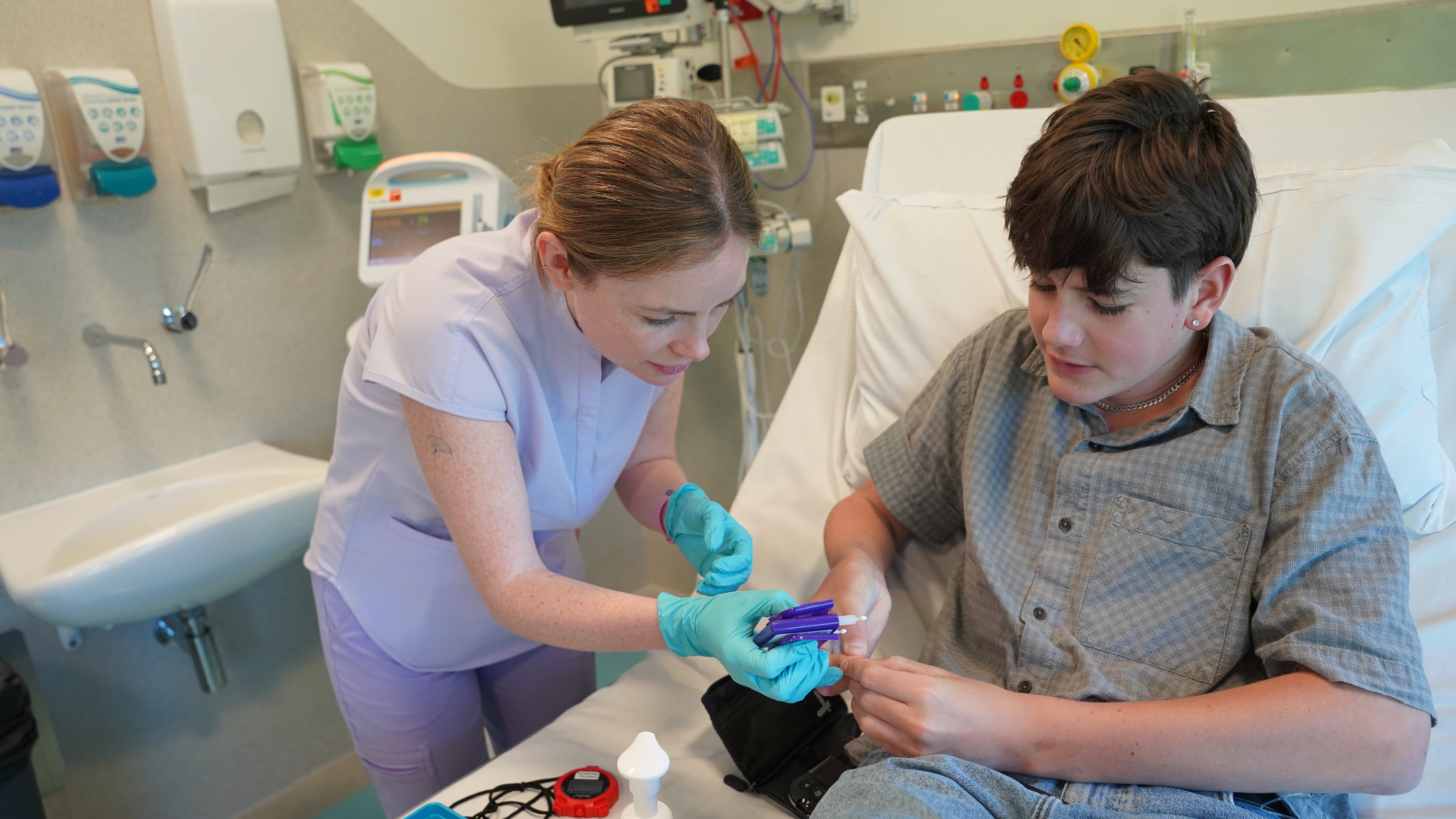
In a WA first, 14-year-old Brax officially started on the new immunotherapy trial being offereind at PCH, taking his first study medicine (a pill) which he will now take every day for the next 12 months to see if it will preserve insulin-producing beta cells.
Diagnosed with type 1 diabetes (T1D) in February this year, Brax jumped at the idea of participating in the groundbreaking immunotherapy study.
"It's exciting! Hopefully I'll see the benefits it might have in preserving my beta cells, which will mean taking less insulin as I get older," Brax said.
"I also want to be part of the trial so we can help other families living with T1D. If this is successful, other kids can hopefully take it from the beginning of their T1D diagnosis."
Dr Sarah Black, a Paediatric Endocrinologist working in Early-stage diabetes, said these immunotherapy trials were really exciting because they signalled the start of a changing era in diabetes management, where clinical trials of disease modifying therapies could be offered to every patient, with true integration of cutting edge research into standard clinical care.
"Barricade-Delay is especially exciting as this is the first time in Australia that we have something to offer children with stage 2 early stage T1D, that has the potential to change their disease course," she said.
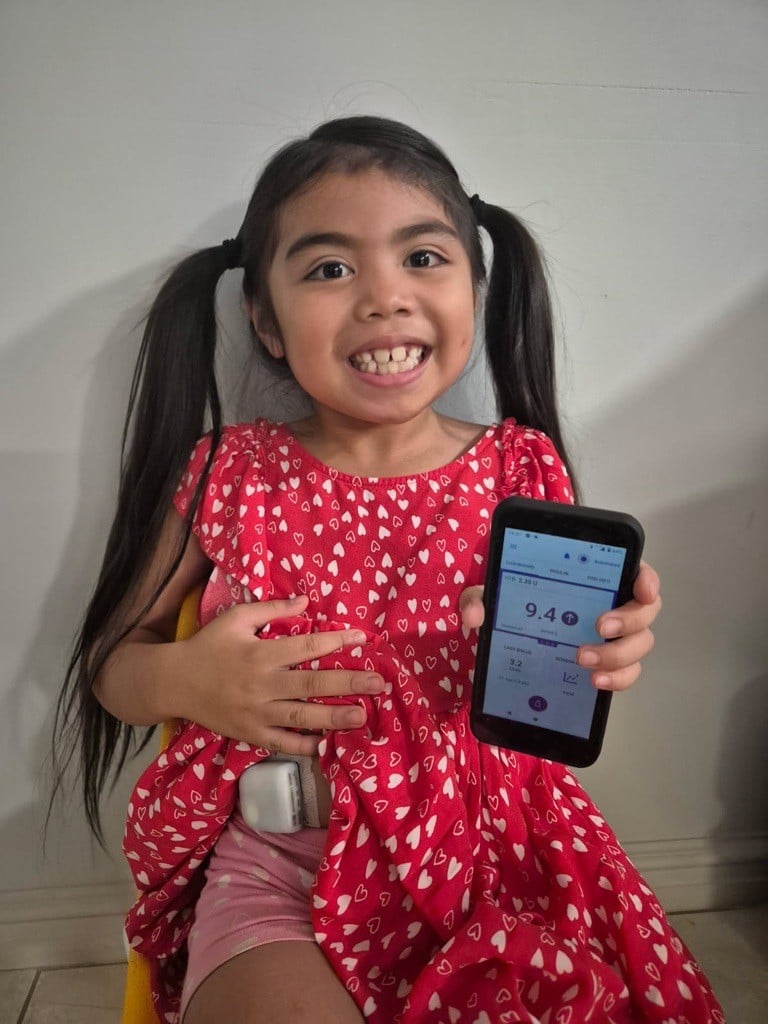
Pic: Roxella (7) our first participant to be randomised on the Omnipod 5
OPAL 2 study - with the Omnipod 5
We asked Clinical Research Nurse Pratima Kattel Adhikari a few questions to find out more about the study.
What is the OPAL 2 study?
The OPAL 2 study is a six-month randomised controlled trial to compare the experience of using the Omnipod 5, compared to using injections or tubed pump.
What’s involved in the study?
We see all participants at the study start, at the 3-month visit and the end of the study. There is also a two-week run-in period for everyone in the study. Anyone over 12, we would also ask you to wear a wrist actigraph device to measure exercise and sleep activity for two weeks at a few stages of the study. The good news is that every participant will have the opportunity to trial using the Omnipod 5, either during the study period or for three months after.
Why are clinical trials important?
Clinical trials provide the data we need as health care professionals, to improve the treatment and advice given to our families. The studies provide an insight into their lives, how they manage their type 1 diabetes and the impact it has. The evidence-based data we collect will help us to improve the advice and treatment options available.
How can people join the study?
To find out more about this study, please email Pratima at diabetes.research@health.wa.gov.au
First published Wednesday 20 May 2026.
View all news articles