Search
The Environmental Determinants of Islet Autoimmunity (ENDIA) pregnancy-birth cohort investigates the developmental origins of type 1 diabetes (T1D), with recruitment between 2013 and 2019. ENDIA is the first study in the world with comprehensive data and biospecimen collection during pregnancy, at birth and through childhood from at-risk children who have a first-degree relative with T1D.
Hybrid closed-loop (HCL) therapy is an efficacious management strategy for young people with type 1 diabetes. However, high costs prevent equitable access. We thus sought to evaluate the cost-effectiveness of HCL therapy compared with current care among young people with type 1 diabetes in Australia.
Continuous glucose monitoring (CGM) devices have demonstrated efficacy in adults and more recently in youths and older adults with type 1 diabetes. In adults with type 1 diabetes, the use of real-time CGM compared with intermittently scanned CGM was associated with improved glycemic control, but there are limited data available for youths.
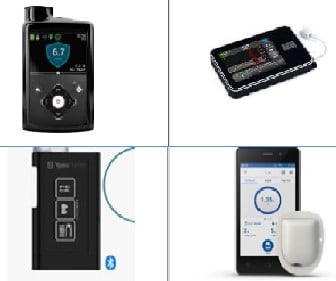
To assess the real-world performance of MiniMed™ 780G for Australians with type 1 diabetes (T1D) following advanced hybrid closed loop (AHCL) activation and to evaluate the effect of changing from MiniMed 670/770G to 780G.
Advanced hybrid closed-loop (AHCL) therapy improves glycemia. However, it is not known if there is an improvement in overall outcomes with AHCL for youth with type 1 diabetes (T1D) at high risk of diabetes-related complications. The study aimed to capture the experiences of youth with suboptimal glycemic control when commencing AHCL therapy in a clinical trial setting.
Humans are commonly exposed to plastic through their dietary intake and food consumption patterns. Plastic-associated chemicals (PAC), such as bisphenols and phthalates, are recognized as endocrine-disrupting and are associated with increased risk of cardiovascular disease and metabolic syndrome. However, accurate methods to assess dietary exposure to plastic products and PAC are inadequate, limiting interrogation of health impacts.
The Environmental Determinants of Islet Autoimmunity (ENDIA) study is an Australia-wide pregnancy-birth cohort study following children who have a first-degree relative with type 1 diabetes (ACTRN1261300794707). A dedicated ENDIA Facebook page was established in 2013 with the aim of enhancing recruitment and supporting participant retention through dissemination of study information.
Pregnancy and type 1 diabetes are each associated with increased anxiety and depression, but the combined impact on well-being is unresolved. We compared the mental health of women with and without type 1 diabetes during pregnancy and postpartum and examined the relationship between mental health and glycemic control.
The study involved screening young people to learn more about the development of long-term kidney, eye and cardiovascular complications in adolescents with T1D.
The Children’s Diabetes Centre at The Kids Research Institute Australia is leading the longest and largest at-home trial of a hybrid closed-loop insulin pump system.