
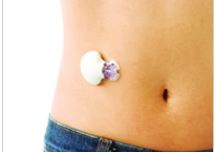
The Federal Government will widen its continuous glucose monitoring (CGM) program next month.
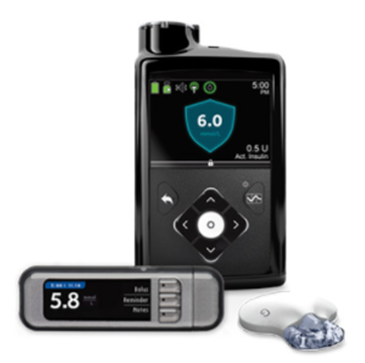
Pump update: New changes to health insurance premiums, pump information evening and more
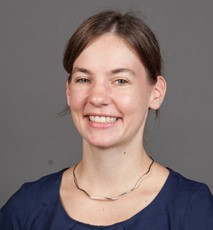
After living in Perth for the past three years, Dr Marie-Anne Burckhardt has headed back home to continue her type 1 diabetes research.
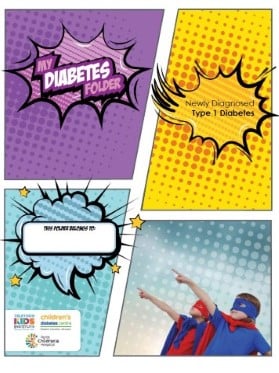
We recently launched our new and improved Children’s Diabetes Centre patient folder so don’t forget to ask for your own hard copy next time you visit the diabetes clinic at Perth Children’s Hospital.
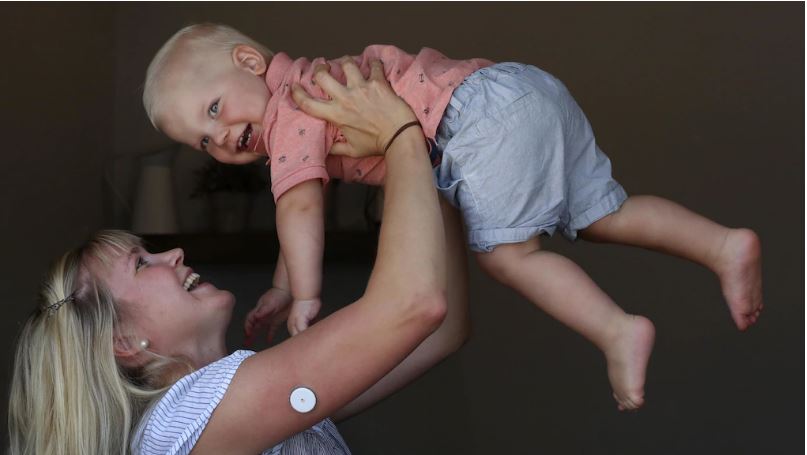
In a world-first, WA researchers are trying to stop type 1 diabetes from developing in very young children by picking up red flags before symptoms appear.
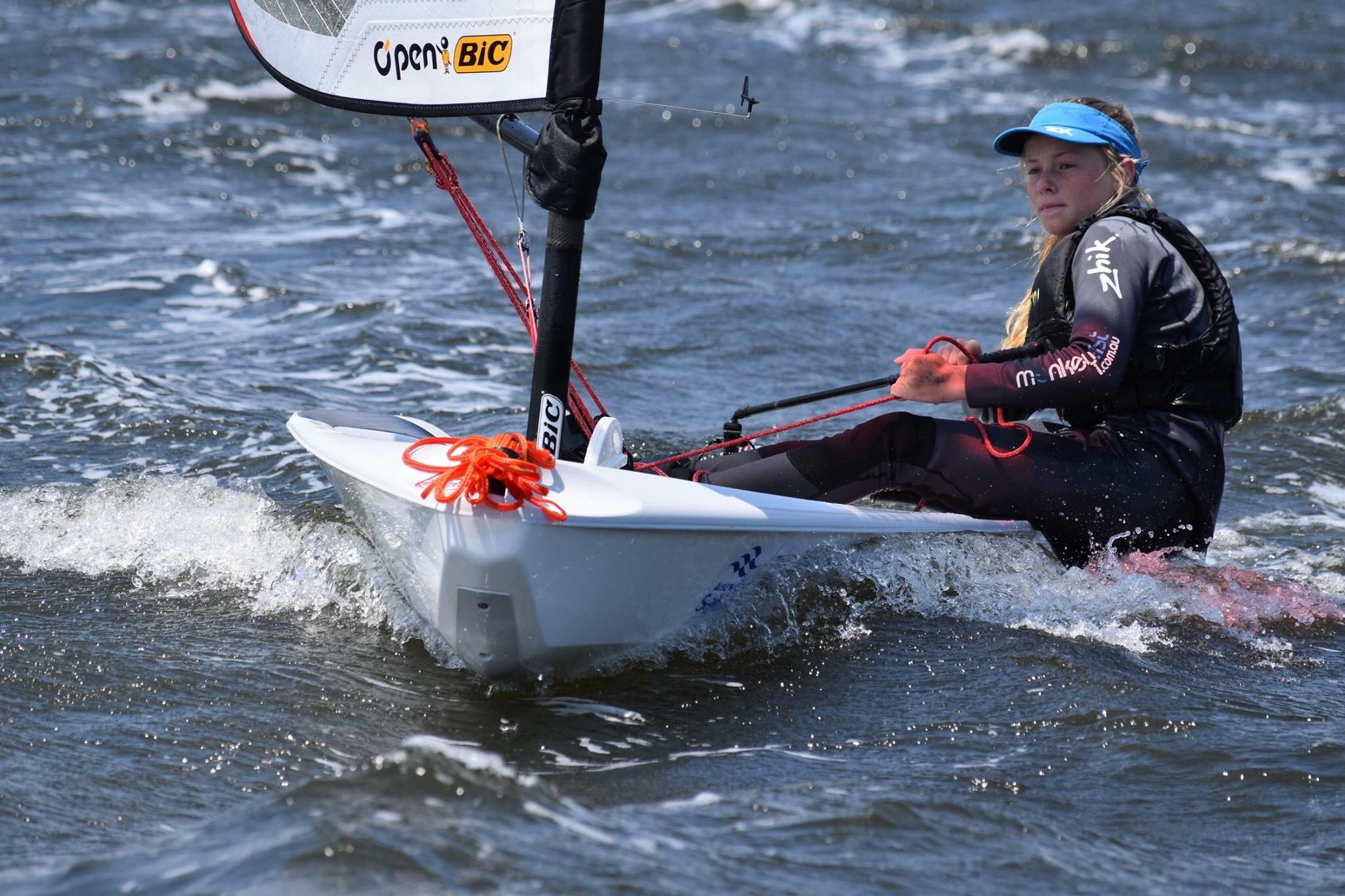
Heidi Bucktin likes to think of her family’s life as pre and post continuous glucose monitoring – that’s how markedly different the two periods are in their journey of living with a child with type 1 diabetes.
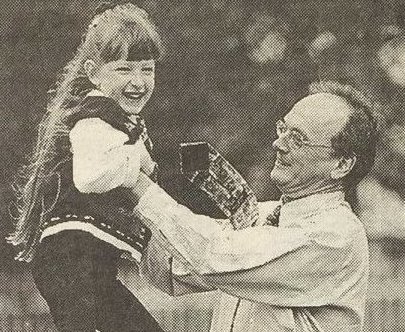
It’s hard to believe that 20 years has passed since April Welsh, 5, was pictured with Professor Tim Jones in a story about type 1 diabetes research. Plenty has changed but one constant remains — Professor Jones still works for WA’s only paediatric d…

If you have an urgent matter regarding the medical care of your child with diabetes you are encouraged to call the on-call paging number which has a new number. The new number is 08 6456 5993.
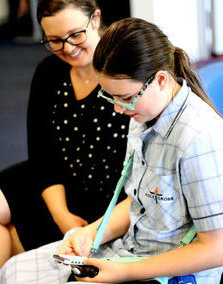
This time last year Keira Reynolds was in a vastly different place to where she is today. Back then, the Year 6 student was coming to grips with a new type 1 diabetes diagnosis and finishing primary school, uncertain about what lay ahead at high sch…
Parents of young children with type 1 diabetes experience significantly better quality of life and reduced fear of hypoglycaemic episodes when given remote access to their child's continuous glucose monitoring, new Children's Diabetes Centre researc…