
Search
The pattern and quantity of insulin required for high-protein high-fat (HPHF) meals is not well understood. This study aimed to determine the amount and delivery pattern of insulin required to maintain euglycemia for 5 hours after consuming a HPHF meal compared with a low-protein low-fat (LPLF) meal.
Dietary fat and protein impact postprandial hyperglycaemia in people with type 1 diabetes, but the underlying mechanisms are poorly understood. Glucoregulatory hormones are also known to modulate gastric emptying and may contribute to this effect.
Type 1 diabetes presents significant challenges for optimal management. Despite intensive glycaemic control being the standard of care for several decades, glycaemic targets are infrequently achieved and the burden of complications remains high. Therefore, the advancement of diabetes management technologies has a major role in reducing the clinical and economic impact of the disease on people living with type 1 diabetes and on health care systems.
Serum 25 hydroxyvitamin D [25(OH)D] levels of pregnant women have been linked to various health outcomes in their offspring. Satellite-derived ultraviolet radiation (UVR) data have been used as a proxy for 25(OH)D levels, as individual-level cohort studies are time-consuming, costly and only feasible for common outcomes.

Researchers from The Kids Research Institute Australia will share in almost $4 million in grants to continue groundbreaking research to tackle childhood cancer, asthma, respiratory viral infections and more.

An Early-Stage Type 1 Diabetes (T1D) Clinic aims to revolutionise diabetes care and support families navigating the beginning of an early-stage T1D diagnosis.
The generous support of Western Australians through Channel 7’s Telethon is helping to fund life-changing child health research, with two The Kids Research Institute Australia researchers awarded significant grants.
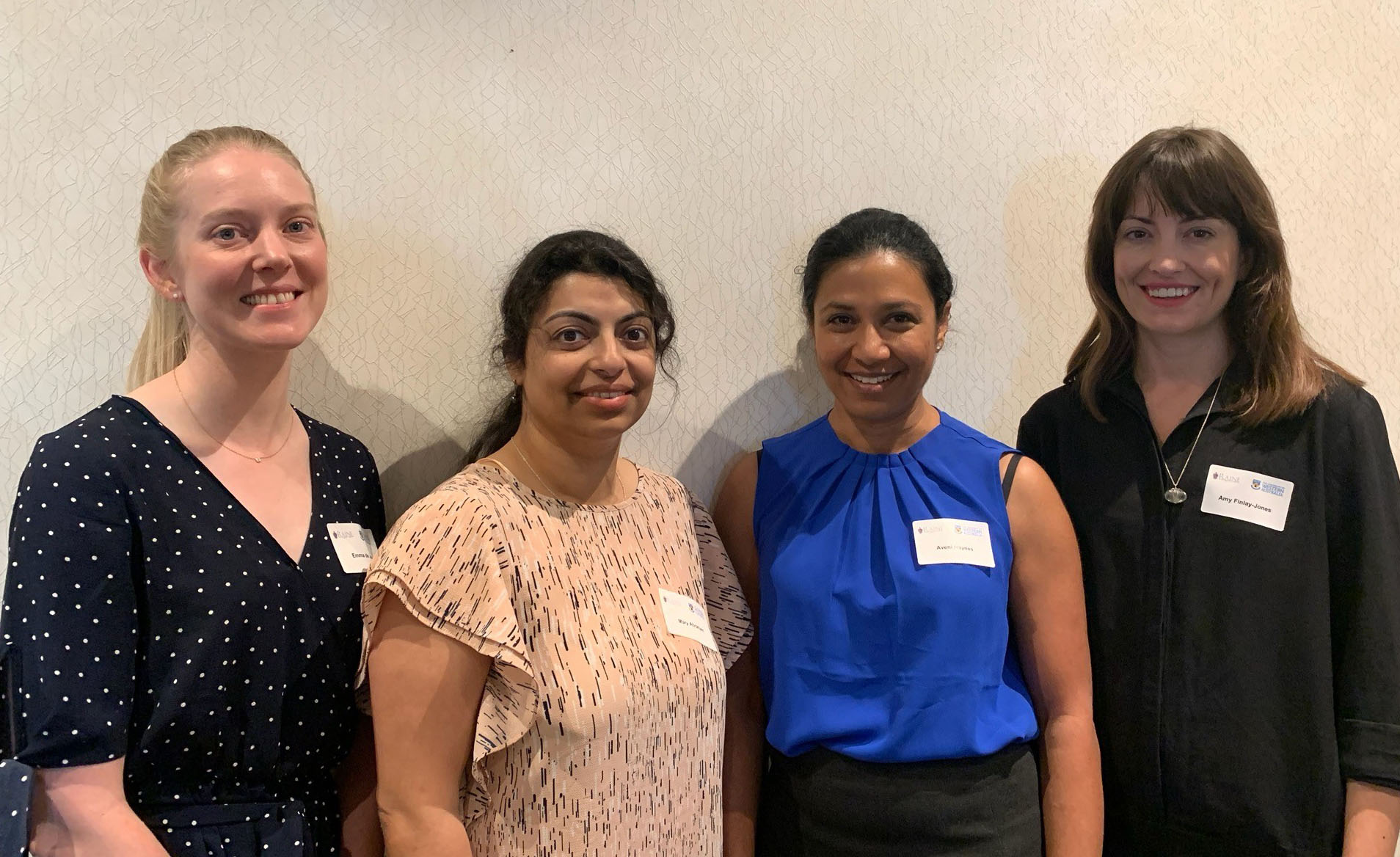
Children’s Diabetes Centre researchers at The Kids Research Institute Australia are among the big winners of prestigious Raine Medical Research Foundation Awards.

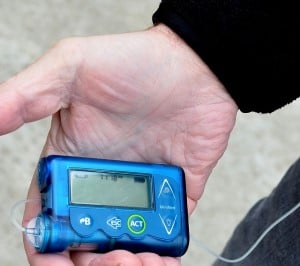
"This system definitely helped with my diabetes management, especially overnight, and helped to keep my blood sugars as stable as possible which was fantastic,"
The study involved screening young people to learn more about the development of long-term kidney, eye and cardiovascular complications in adolescents with T1D.