
Search

Our research focuses on what are the best ways for patients with type 1 diabetes to exercise safely.
Much of our research focuses on the safety and the use of emerging technologies for insulin pumps and other diabetes treatment technology.
Read about the Research Focus Area Leads at the Children's Diabetes Centre.
Read about the research fellows at the Children's Diabetes Centre, Martin de Bock, Aveni Hayes, Ashleigh Lin and Marie-Anne Burckhardt.
Read about the research nurses and assistants at the Children's Diabetes Centre.
Read about the students currently undertaking their PhD as a part of the Children's Diabetes Centre.
Read about Biostatistician Grant Smith at the Children's Diabetes Centre.
We recognise that we can learn a lot from our families. This area of research looks at the reasons why families living with diabetes choose whether or not to participate in research.
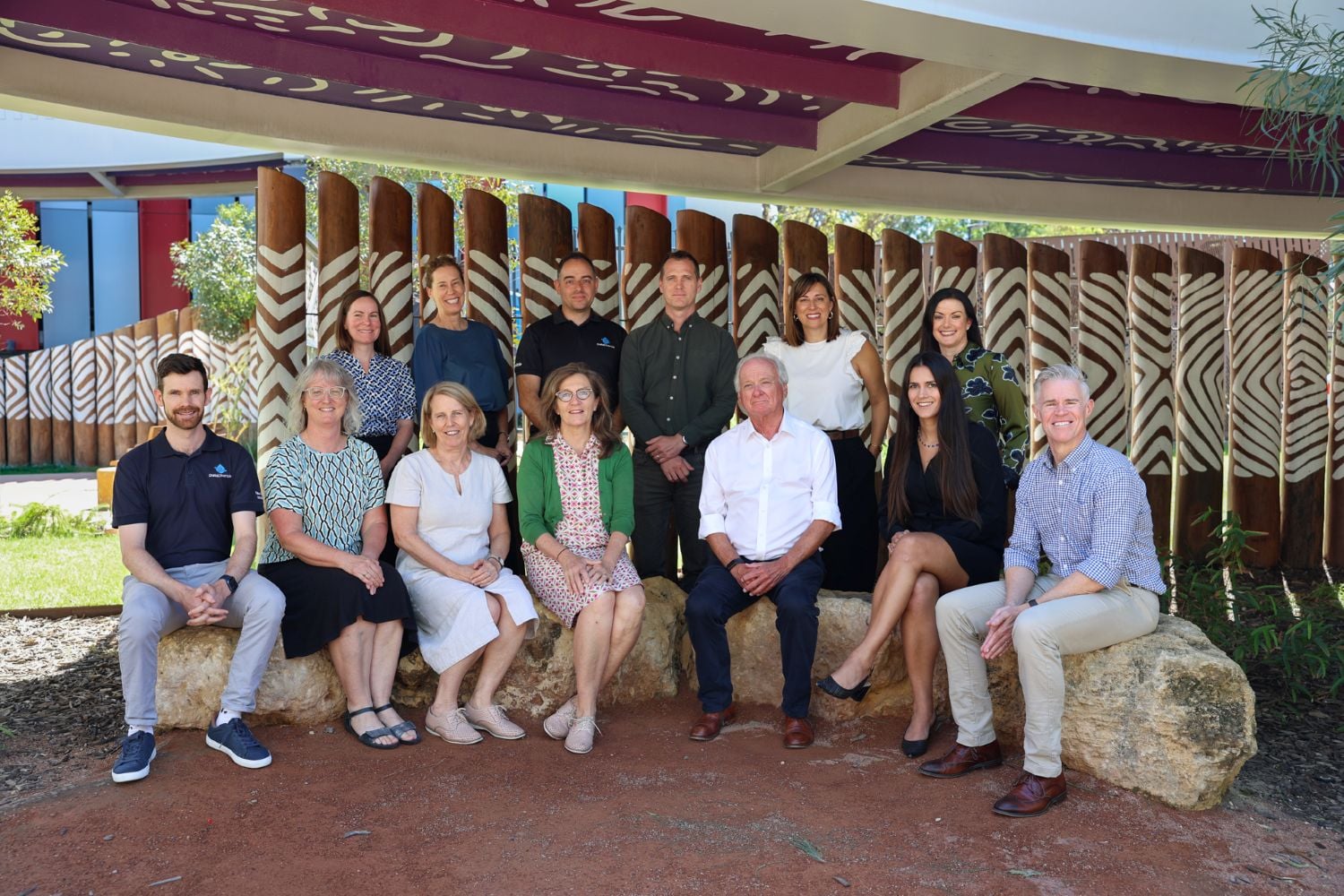
First-of-its-kind digital platform transforming diabetes care set to expand its capability
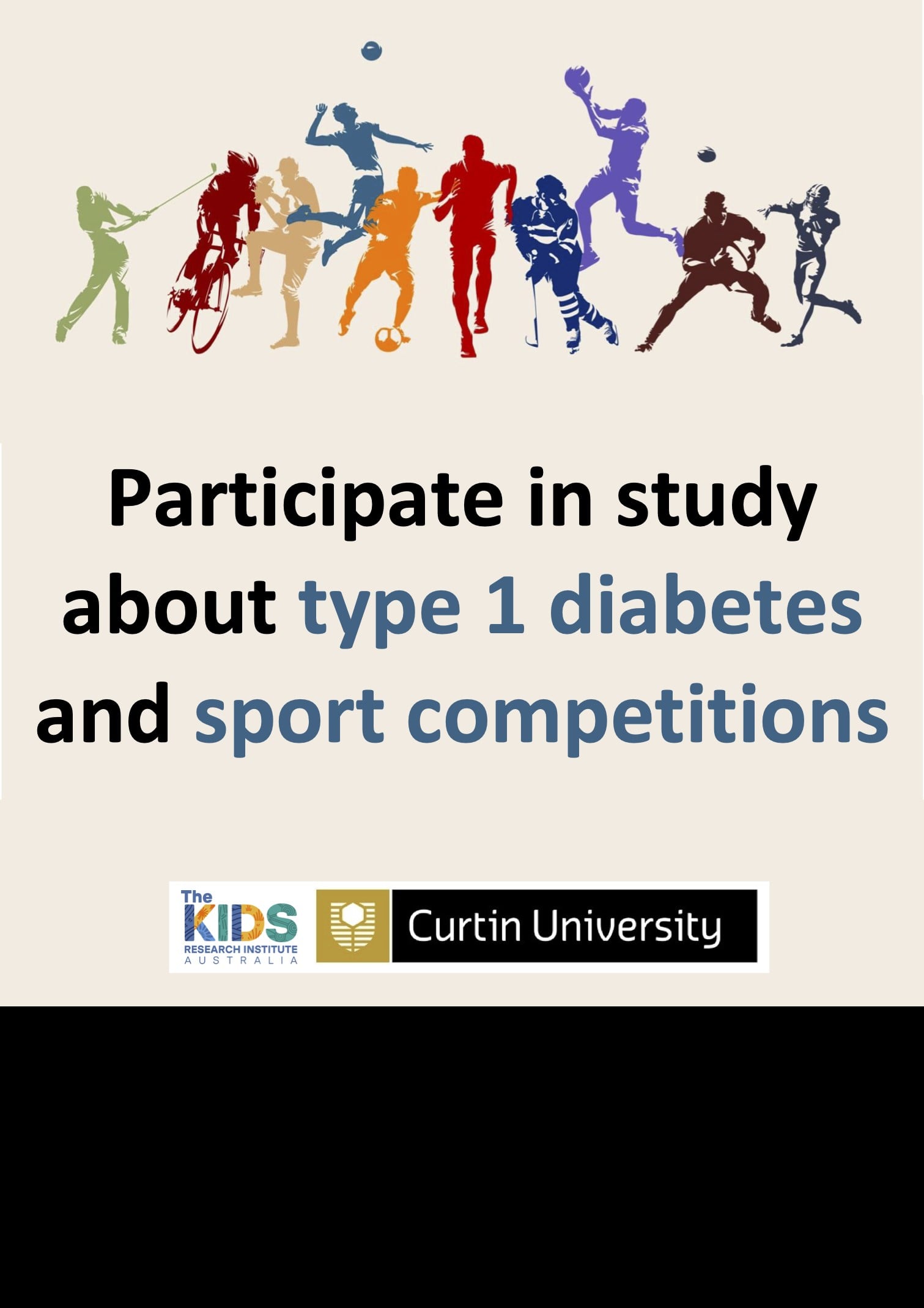
Participants needed for a research study to observe the influence of competition stress on the blood glucose and management strategies of people with T1D