A big congratulations to our The Kids and UWA researchers Dr Shaun Teo and Dr Paul Fournier who have both been awarded $70,000 grants for their diabetes research projects, under the 2023 Diabetes Australia Research Program (DARP).
The Rio Tinto Children’s Diabetes Centre; A JDRF Global Centre of Excellence (the Centre), announces inaugural Honours Scholarships for students dedicated to type 1 diabetes research.
Competing challenges in adolescence and young adulthood can distract from optimal type 1 diabetes (T1D) self-management, and increase risks of premature morbidity and mortality. There are limited data mapping the glycemic control of people with T1D…
Pregnancy and type 1 diabetes are each associated with increased anxiety and depression, but the combined impact on well-being is unresolved. We compared the mental health of women with and without type 1 diabetes during pregnancy and postpartum and…
the Teaching Kitchens program will start again on Thursday March 9 from 5-7pm, running for four weeks (every thursday evening).
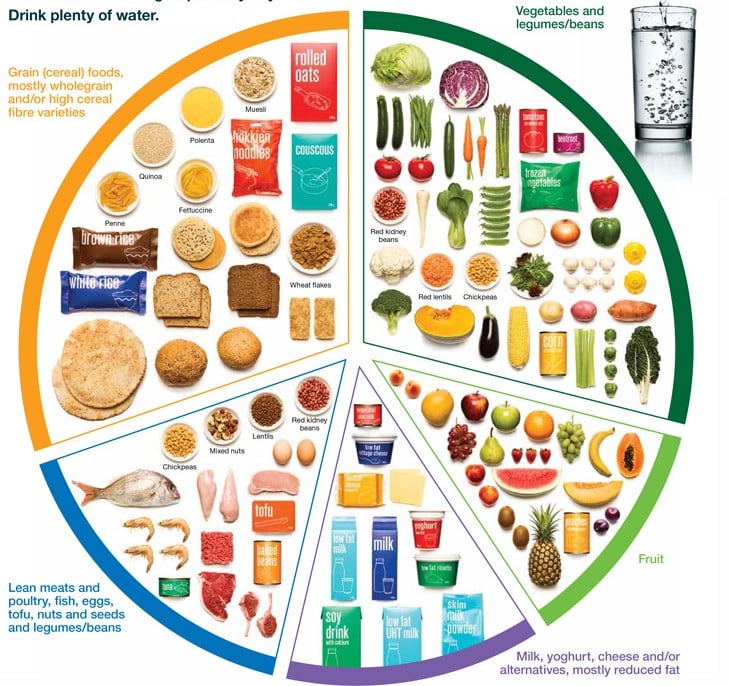
(NHMRC, 2013)
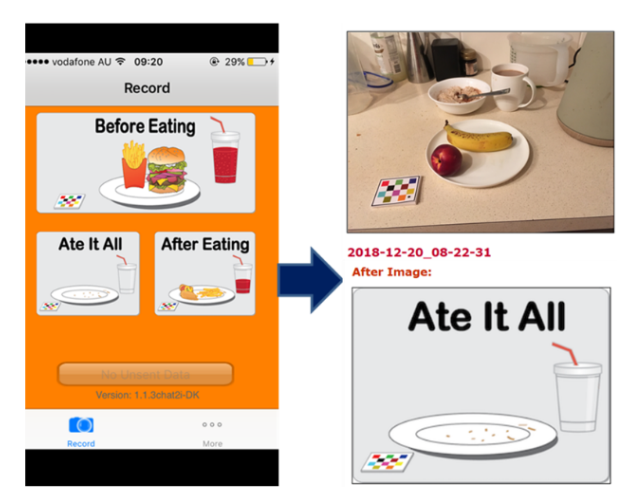
We are looking for people aged between 9 and 18 years with type 1 diabetes to participate in a mobile food study. You will be asked to take images of what you eat over a consecutive four-day period using the Mobile Food Record App. There will be no…
The National Institute for Clinical Excellence updated guidance for continuous glucose monitoring (CGM) in 2022, recommending that CGM be available to all people living with type 1 diabetes. Manufacturers can trade in the UK with Conformité Européen…
Type 1 diabetes (T1D) is a chronic and incurable autoimmune disease, diagnosed in early childhood and managed initially in paediatric healthcare services. In many countries, including Australia, national audit data suggest that management and care o…