
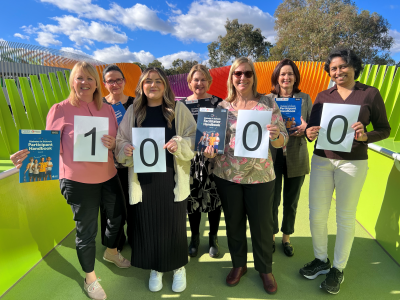
The Diabetes in Schools team at the Perth Children’s Hospital have just reached a huge milestone – 1000 school visits!
The EU LifeCycle Project was launched in 2017 to combine, harmonize, and analyze data from more than 250,000 participants across Europe and Australia, involving cohorts participating in the EU-funded LifeCycle Project. The purpose of this cohort des…
Autoantibodies to pancreatic islet antigens identify young children at high risk of type 1 diabetes. On a background of genetic susceptibility, islet autoimmunity is thought to be driven by environmental factors, of which enteric viruses are prime c…
To determine the incidence and incidence trends over 2001-2022 of childhood-onset type 1 diabetes (T1D) in Western Australia and assess the impact of the COVID-19 pandemic.
Regular physical activity and exercise are important for youth and essential components of a healthy lifestyle. For youth with type 1 diabetes, regular physical activity can promote cardiovascular fitness, bone health, insulin sensitivity, and gluco…
In Australia, Aboriginal children experience disproportionate rates of type 2 diabetes (T2D) compared with non-Aboriginal children. The aim of this qualitative study was to explore the experiences of Aboriginal adolescents with T2D and their family…

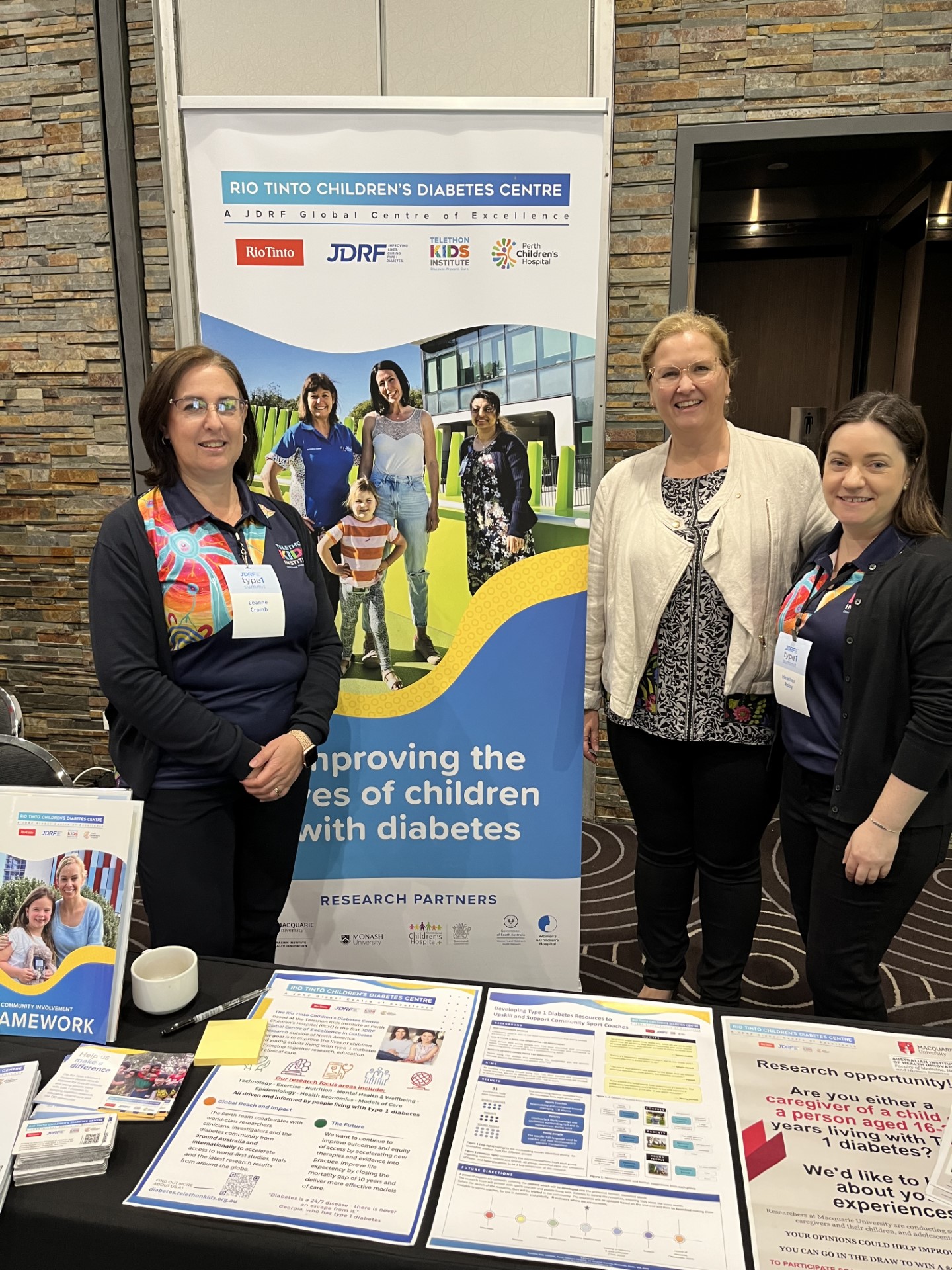
The Rio Tinto Children's Diabetes Centre were invited to attend this year's JDRF Type One Summit in Sydney where the T1D community came together to "share knowledge and gain strength and inspiration from others in the T1D community - JDRF Australia"
To explore the impact of missing data on the accuracy of continuous glucose monitoring (CGM) metrics collected for a 2-week period in a clinical trial.

People living with type 1 diabetes (T1D) can participate in all forms of physical activity, but it can sometimes be a little more challenging.