
Our researchers are trying to learn more about the effect different types of food have on blood glucose levels and how to give the best insulin dose to manage a variety of foods.

Our research group is looking for patterns in newly diagnosed diabetic patients in WA to understand the characteristics and risk factors of children with T1D.

Our research focuses on what are the best ways for patients with type 1 diabetes to exercise safely.
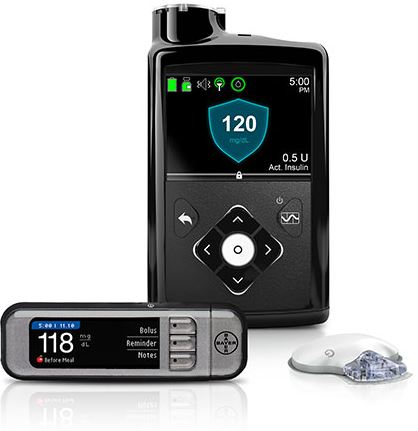
Much of our research focuses on the safety and the use of emerging technologies for insulin pumps and other diabetes treatment technology.
Read about Biostatistician Grant Smith at the Children's Diabetes Centre.
Read about the students currently undertaking their PhD as a part of the Children's Diabetes Centre.
Read about the research nurses and assistants at the Children's Diabetes Centre.
Read about the research fellows at the Children's Diabetes Centre, Martin de Bock, Aveni Hayes, Ashleigh Lin and Marie-Anne Burckhardt.
Read about the management staff of the Children's Diabetes Centre, Dr Charles Czank and Nirubasini Paramalingam.
Read about the Research Focus Area Leads at the Children's Diabetes Centre.