Read about Professor Tim Jones and Associate Professor Liz Davis, co-directors of the Children's Diabetes Centre.
The Rio Tinto Children’s Diabetes Centre; a Breakthrough T1D Centre of Excellence at The Kids Research Institute Australia and Perth Children’s Hospital (PCH), is a global hub for research into type 1 diabetes (T1D) in children.
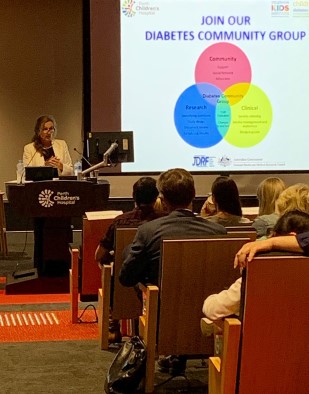
Find out how to participate in our research and community groups.
Find out how to participate in our research and community group
Find newsletters, guidelines, publications and videos in the one spot.
See an overview of the people involved in the Children's Diabetes Centre, including co-directors, research focus area leads, research staff and students
Our Centre is involved with a wide range of research projects, many involving collaborating with partners to run trials of new technologies and treatments.
The Rio Tinto Children's Diabetes Centre is a research centre that aims to improve the lives of children and young adults living with diabetes by bringing together research, education and clinical care.
People with type 1 diabetes require the completion of a Medical Assessment form for activities such as driving, skipper tickets and scuba-diving etc.
Learn about Lucy's journey through the eyes of her mum, and through the video "T1D: Our Lucy".