
Type 1 diabetes presents significant challenges for optimal management. Despite intensive glycaemic control being the standard of care for several decades, glycaemic targets are infrequently achieved and the burden of complications remains high. The…

Kalani Hancock (1) and her sister Avalee (4) are part of a world-first study looking at changes in blood sugar patterns in very young children at risk of Diabetes. Dr Aveni Haynes from The Kids Research Institute Australia and Perth Children's Hospi…

We have been working with young people with T1D, other researchers and app developers to create a new smartphone exercise app called acT1ve.
In individuals with type 1 diabetes, chronic hyperglycaemia impairs aerobic fitness. However, the effect of acute marked hyperglycaemia on aerobic fitness is unclear, and the impact of insulin level has not been examined. In this study, we explored…
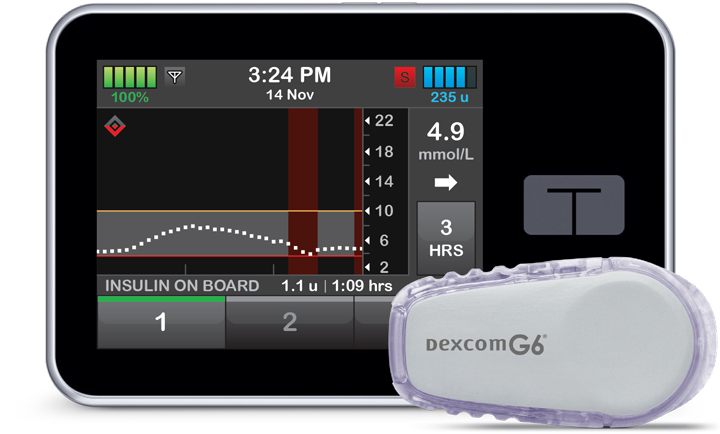
Control IQ (CIQ) is an advanced hybrid closed loop system designed to ease the burden and stress involved in the daily decision making around diabetes management.

The Children’s Diabetes Centre at Perth Children’s Hospital is excited to announce that we have successfully acquired limited supplies of the Dexcom G6 continuous glucose monitoring system.
Serum 25 hydroxyvitamin D [25(OH)D] levels of pregnant women have been linked to various health outcomes in their offspring. Satellite-derived ultraviolet radiation (UVR) data have been used as a proxy for 25(OH)D levels, as individual-level cohort…

Short term use of a hybrid closed loop system might preferentially benefit people with type 1 diabetes who have impaired awareness of hypoglycaemia (IAH), according to new research from the Children's Diabetes Centre.
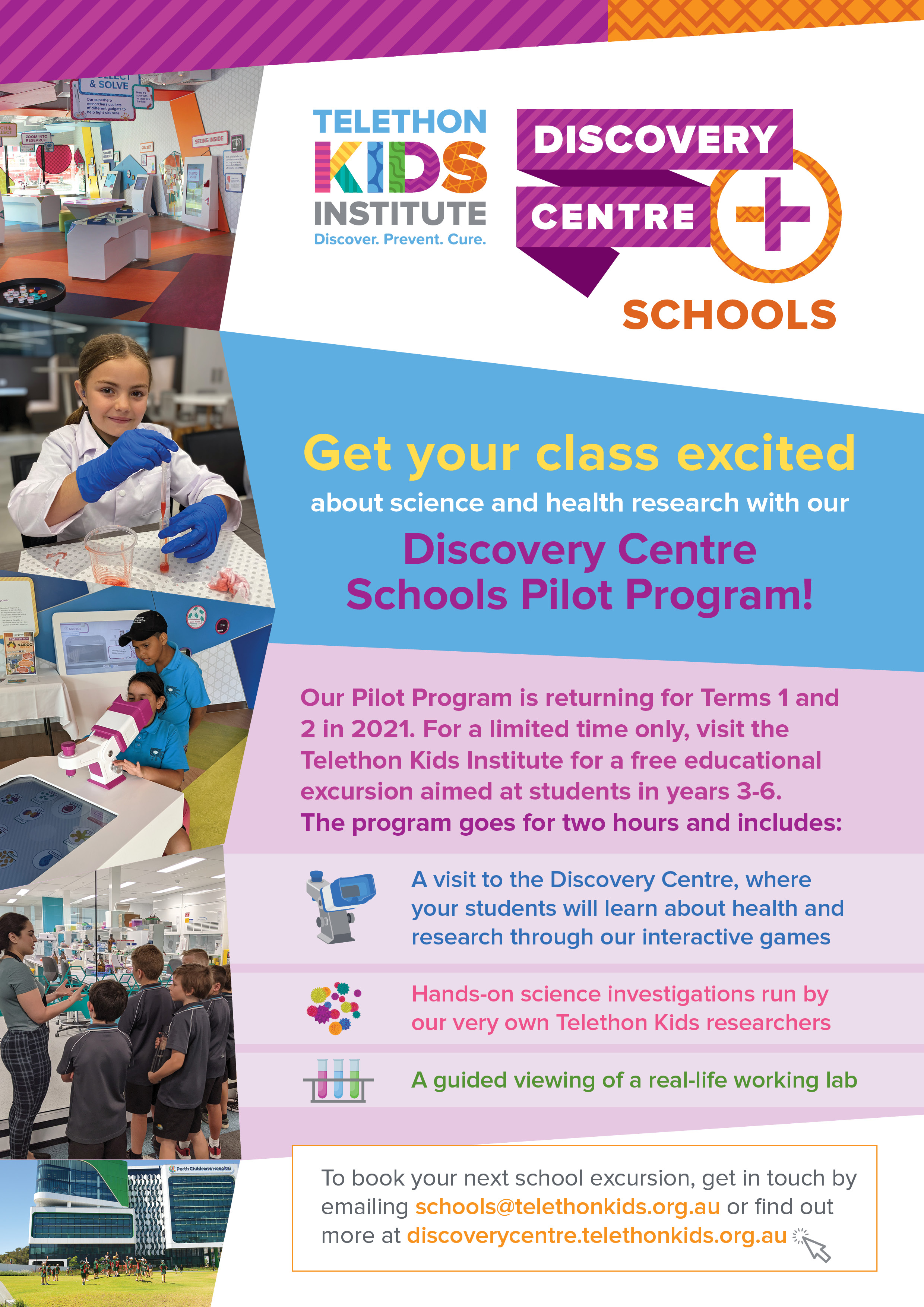
We have just launched the Telethon Kids Discovery Centre Schools Program for 2021. The program is FREE for Terms 1 and 2 and is a great opportunity for schools to pilot an educational science excursion at no cost.